Former inmate says proposed Kentucky pardon restriction could harm wrongfully convicted people
LOUISVILLE, Ky. (WDRB+WAVE) — Kentucky voters will decide whether to restrict one of the governor’s most powerful abilities: the power to pardon.
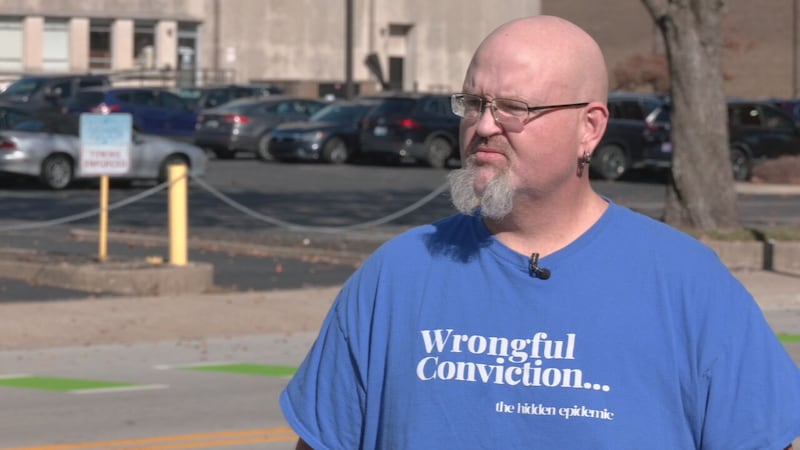
A Louisville man said he would have died behind bars if the change had been in place when he was serving time.
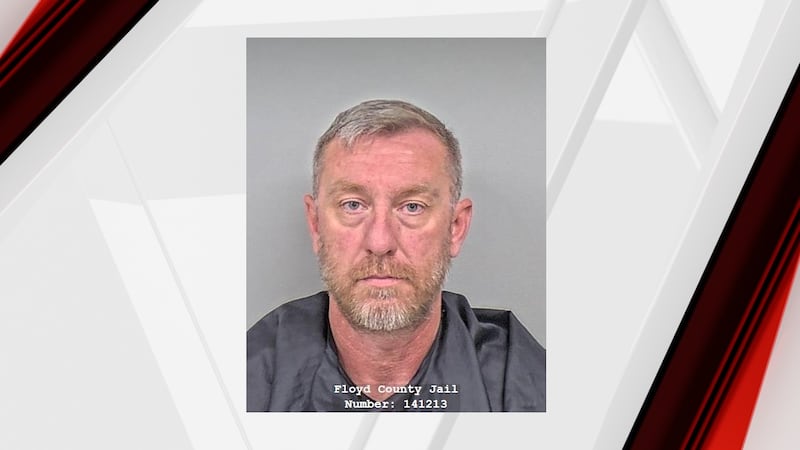
Paul Hurt spent 20 years behind bars for sexually abusing his stepdaughter. He said he did not commit the crime.
“After 18 and a half years the charges were recanted by my stepdaughter,” Hurt said.
Hurt said her father fabricated the allegations after becoming angry that his wife left him for Hurt.
No forensic evidence linked Hurt to the crime. The judge who sentenced him spent eight years trying to get him out through the courts with no success.
Freedom finally came in 2019 with a pardon from former Gov. Matt Bevin.
“If not for him, the judge and God, I would’ve died in prison as a wrongfully convicted individual,” Hurt said.
After Bevin lost his 2019 reelection bid to Andy Beshear, he issued more than 400 pardons and commutations during the final weeks of his administration.
Some of those pardons involved people convicted of serious crimes, including murder, and rape.
“We saw pardons that a lot of people found to be absolutely heinous,” Sen. Chris McDaniel, said on Sept. 28.
Voters will decide whether to change the state constitution to temporarily limit a governor’s ability to grant pardons or commute sentences around a gubernatorial election.
The proposed amendment would prevent a governor from granting pardons or commuting sentences beginning 60 days before a gubernatorial election and continuing until the governor is sworn in for the new term.
The question is the result of Senate Bill 10, sponsored by McDaniel.
“I wouldn’t be standing here if this was in effect in 2019,” Hurt said.
The change would apply only to pardons and commutations. Other powers currently granted to the governor, including the ability to issue reprieves and remit fines and forfeitures, would remain in the state constitution.
“This is about basic accountability and transparency in justice and if you are for those things then it is easy to be in favor of this amendment,” McDaniel said.
There is also an important distinction for voters this year: Kentucky is not electing a governor in 2026.
The amendment would not change Beshear’s current pardon powers during this year’s election. Instead, voters are deciding whether to put the restriction into the constitution for future gubernatorial elections.
Kentucky’s next gubernatorial election is scheduled for 2027.
A “yes” vote would approve the constitutional change and create the 60-day restriction before future gubernatorial elections until the governor is inaugurated.
A “no” vote would leave the constitution’s current language regarding the governor’s pardon and commutation powers unchanged.
The amendment will appear on every Kentucky ballot in the Nov. 3 general election.
“I think one person in prison for one day for something they didn’t do outweighs all that,” Hurt said.
Copyright 2026 WDRB+WAVE. All Rights Reserved.